
Category Archives: Post

In-House vs. Outsourced Tax Services

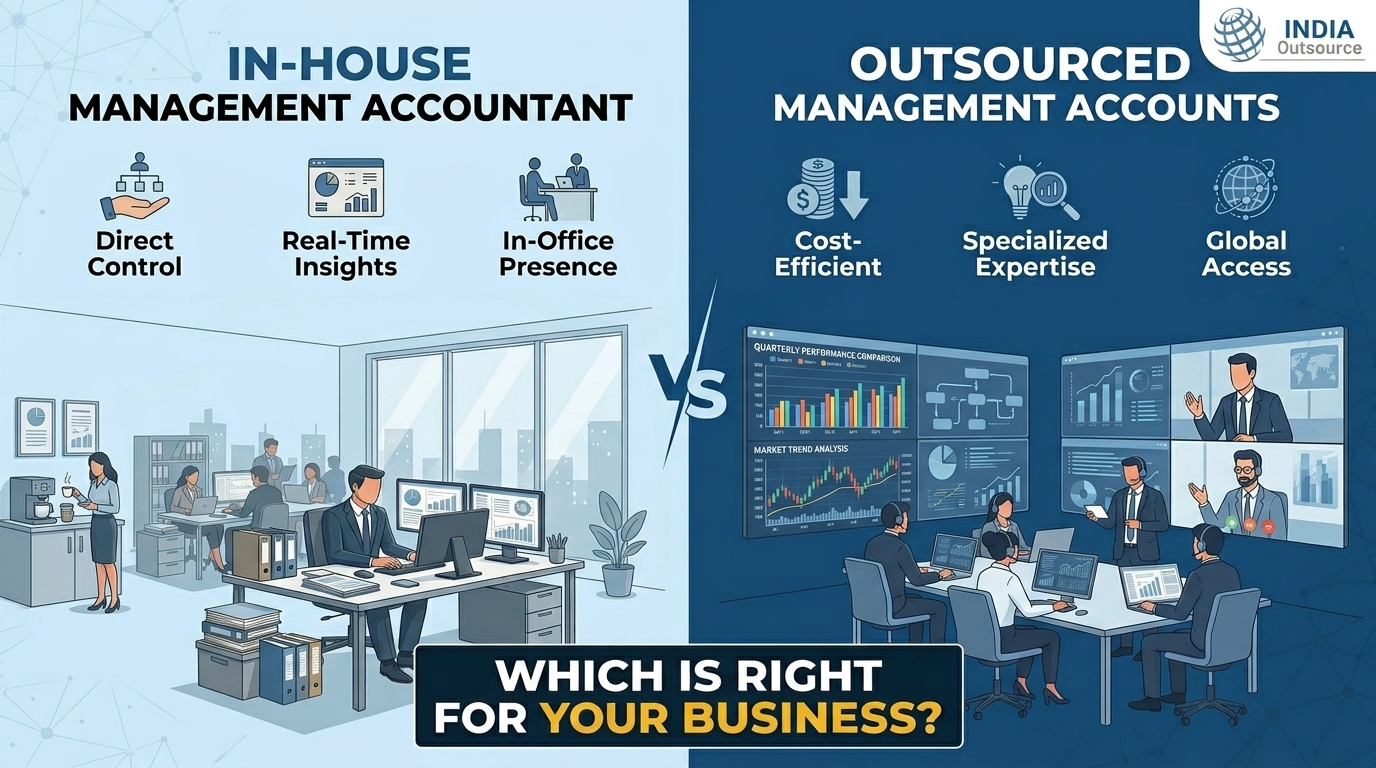
In-House vs Outsourced Tax Services: Which Is Better?

Tax management has grown more complicated than ever! Whether it’s tax changes, compliance guidelines, or more stringent financial reporting, businesses have to ensure that all their tax-related processes are conducted with accuracy. There could be penalties, audits, reputation or financial loss due to even a minor mistake. In-House vs Outsourced Tax Services.

This raises an important question for growing businesses:

Should you have in-house tax staff or hire experienced tax pros to outsource tax services?

Not everything is clear cut. An internal tax team allows for more control and direct oversight, but an outsourced team can offer increased expertise, reduced operational costs, cutting-edge technology, and scalability options that many businesses may not be able to replicate.

From a startup to an SME, accounting firm, CPA practice to large enterprise, the right tax management strategy can have an immediate effect on profitability, compliance, efficiency, and long-term growth.

Here’s a comprehensive guide to comparing in-house and outsourced tax services, exploring the pros and cons of both, contrasting costs, and deciding which option is more suitable for your firm’s needs.

What Are In-House Tax Services?

In-house tax services include having full-time staff in your office to handle your tax needs.

A typical internal tax department may include:

  • Tax Managers
  • Tax Accountants
  • Financial Controllers
  • Compliance Specialists
  • Payroll Tax Experts
  • Tax Analysts

These experts are your employees only and handle all of the tax planning, filing, reporting, audit and regulatory compliance for your business.

Responsibilities of an In-House Tax Team

An internal tax department usually manages:

  • Corporate tax preparation
  • Sales tax compliance
  • Payroll tax reporting
  • GST/VAT compliance
  • Tax planning strategies
  • Financial reporting
  • Tax audits
  • Regulatory compliance
  • Internal documentation
  • Risk management

The company has the responsibility of recruiting, training, managing and retaining these professionals.

What Are Outsourced Tax Services?

Outsourced tax services are based on a third party accounting/tax service working on your tax obligations.

Rather than having a large in-house tax team, businesses partnering with an experienced tax team of remote workers who use cloud-based accounting software that is secure.

These firms often provide:

  • Tax preparation
  • Tax filing
  • Bookkeeping
  • Payroll processing
  • Corporate tax planning
  • Sales tax management
  • Audit support
  • Financial reporting
  • CFO advisory services
  • International tax compliance

Outsourcing is a flexible and budget-friendly option for businesses, as they only pay for the services they need.

In-House vs. Outsourced Tax Services: Quick Comparison

Feature In-House Tax Team Outsourced Tax Services
Cost High Lower
Hiring Required Yes No
Employee Benefits Required Not Required
Training Costs High None
Compliance Expertise Limited Extensive
Scalability Difficult Easy
Technology Investment Required Included
Availability Business Hours Often Extended Support
Risk Management Internal Responsibility Shared with Experts
Access to Specialists Limited Broad Expertise
Business Focus Administrative Burden Focus on Growth

Advantages of In-House Tax Services

1. Greater Control

Internal employees are those that are working within your organization, and your management can keep a close watch on the tax processes.

This kind of control is useful for companies that have specific functions or delicate financial details.

2. Immediate Communication

The tax team is on-site or part of your structure, which means that communication is more effective and rapid.

Managers can easily discuss tax strategies, financial planning, immediate compliance issues, etc. without having to coordinate with an outside provider.

3. Better Understanding of Company Operations

Internal employees learn a lot about you’re:

  • Business model
  • Financial structure
  • Revenue streams
  • Industry regulations
  • Internal workflows

This knowledge can be helpful when making decisions on tax planning for the company.

4. Dedicated Resources

An in-house tax department works solely for your company, whereas outsourced tax departments work for several firms.

This focused effort can be of great value to businesses with especially complex tax situations.

Disadvantages of In-House Tax Services

High Operational Costs

The internal tax department can be very costly.

Costs include:

  • Salaries
  • Bonuses
  • Health insurance
  • Retirement benefits
  • Office space
  • Recruitment
  • Software licenses
  • Hardware
  • Employee training

These expenses can be a burden for many businesses.

Recruitment Challenges

It’s harder to find professionals with experience in taxation.

Businesses may invest months in finding qualified candidates but still have to deal with larger businesses paying higher salary.

Limited Expertise

A single inside team might not have an in-depth understanding of:

  • International taxation
  • Multi-state compliance
  • Industry-specific tax laws
  • Mergers and acquisitions
  • Cross-border tax planning

But complex issues could still call for outside consultants.

Continuous Training Requirements

Tax regulations constantly changing.

Businesses must invest in ongoing employee education to remain compliant with changing legislation.

Advantages of Outsourced Tax Services

Significant Cost Savings

Cost reduction is one of the most important reasons that companies outsource their tax services.

Businesses eliminate expenses related to:

  • Recruitment
  • Employee salaries
  • Benefits
  • Office infrastructure
  • Software purchases
  • Professional training

Rather, they only pay for the services they require.

Access to Experienced Tax Professionals

Outsourced providers have a group of experts working in a variety of industries and jurisdictions.

This means your business benefits from:

  • Senior tax advisors
  • CPAs
  • Compliance experts
  • Audit specialists
  • Payroll professionals
  • International tax consultants

Without employing each one separately.

Better Compliance

Specialist tax companies keep up to date on ever-evolving tax legislation.

They proactively monitor:

  • Legislative changes
  • Filing deadlines
  • Compliance requirements
  • Reporting standards

This greatly reduce the danger of penalties and audits.

Scalability

Business needs change over time.

When you’re looking to expand your business into new markets, buy another business, or during tax season, you can add services without needing to hire more people, outsourced providers can simply scale it up.

Advanced Technology

The vast majority of outsourcers will be working with cutting-edge cloud accounting solutions and automation.

Benefits include:

  • Secure document sharing
  • Real-time reporting
  • Automated workflows
  • Digital tax filing
  • Data backups
  • Improved accuracy

You can benefit from enterprise-level tech without the enterprise price tag.

Improved Business Focus

Compliance with the tax law takes up significant management time.

Outsourcing allows business leaders to focus on:

  • Growth
  • Customer acquisition
  • Product development
  • Sales
  • Strategic planning

Rather than administrative duties.

Disadvantages of Outsourced Tax Services

Less Direct Control

For some business owners, it’s preferable to oversee tax things themselves.

It may be necessary to set up communication and reporting with an external provider.

Initial Transition

Transferring financial data to a different provider may take some time.

But, when a business is an expert in outsourcing, they usually have a detailed procedure for getting new hires up and running that lessens the chaos.

Data Security Concerns

This is a concern that many businesses have when it comes to sharing a part of their finances that is sensitive.

A good outsourcing company will handle this by:

  • Encrypted systems
  • Secure cloud platforms
  • Multi-factor authentication
  • Confidentiality agreements
  • Regulatory compliance
  • Regular cybersecurity audits

Cost Comparison

In-House Costs

Typical expenses include:

  • Employee salaries
  • Payroll taxes
  • Benefits
  • Recruitment fees
  • Software subscriptions
  • Office equipment
  • Training programs
  • Management overhead

These reoccurring costs can be significant, particularly for small and mid-size businesses.

Outsourcing Costs

Businesses generally pay:

  • Monthly service packages
  • Project-based pricing
  • Hourly consulting fees
  • Seasonal tax preparation costs

But, on average, outsourcing can offer substantial benefits from a cost-cutting standpoint, as well as access to more extensive expertise.

Which Businesses Should Choose In-House Tax Services?

If your business: An internal tax department might be needed if you:

  • Has thousands of employees
  • Operates in highly regulated industries
  • Requires daily tax decision-making
  • Has complex multinational operations
  • Can support the high costs of maintaining a dedicated tax department

Which Businesses Benefit Most from Outsourced Tax Services?

Outsourcing is ideal for:

  • Startups
  • Small businesses
  • Mid-sized companies
  • CPA firms
  • Accounting firms
  • E-commerce businesses
  • Healthcare organizations
  • Manufacturing companies
  • Law firms
  • Real estate businesses
  • Non-profit organizations

These companies can enjoy the advantages of specialized expertise without the expense of a dedicated tax department.

Key Factors to Consider Before Making Your Decision

When deciding on one of the two options, in-house or outsourced tax, consider the following:

Business Size

Outsourcing might be more beneficial for smaller companies, whereas larger businesses may need their own teams.

Budget

Before making a decision, work out the actual expenses of hiring, training, benefits, software and infrastructure.

Complexity

International businesses or those operating in multiple countries will likely need a particular level of tax expertise, which outsourcing providers can provide.

Growth Plans

Growing businesses require flexibility in their tax structure that can grow with them without significant recruitment.

Technology Requirements

Decide whether your company is ready to invest in cutting-edge accounting software and secure tax management systems.

Hybrid Approach: The Best of Both Worlds

What many businesses do is to have a small finance team internally and outsource specialized tax services.

This approach offers:

  • Internal oversight
  • External expertise
  • Lower operational costs
  • Better compliance
  • Greater flexibility
  • Access to specialized advisors when needed

It is becoming a very common method among expanding enterprises to manage and be efficient.

Conclusion: Which Option Is Right for Your Firm?

When it comes to choosing between in-house and outsourced tax services, there’s no one right or wrong answer. It’s up to you to choose the right one depending on your business size, budget, operational complexity, compliance requirements and long-term goals.

For those that want to have full control, and can support a dedicated tax function, an in-house tax team might be the best choice. For many small to medium-sized businesses, outsourcing offers even more value as a way to save money, gain specialized expertise, ensure compliance, leverage advanced technology, and scale with the business.

The bottom line is that you’re not just cutting costs—you’re creating a tax management strategy that helps your business grow sustainably, reduce risk and let your team focus on doing what they do best: growing your business.

Ready to Simplify Your Tax Management?

Contact Us Today

 FAQs

  1. What is the difference between in-house and outsourced tax services?

In-house tax services are handled by full-time employees within a company, while outsourced tax services are managed by an external accounting or tax firm. Outsourcing provides access to specialized expertise, lower operational costs, and greater scalability, whereas in-house teams offer more direct control over tax processes.

  1. Is outsourcing tax services more cost-effective?

Yes. Often, outsourcing tax services will cost less since the business does not incur the cost of hiring staff, salaries, employee benefits, office space, software, etc., and there is no need to train employees. Only those services that are needed are paid for by companies.

  1. Which businesses should outsource tax services?

The benefits of outsourced tax services are most advantageous for small businesses, startups, CPA or accounting firms, ecommerce businesses, healthcare organizations, manufacturers and growing businesses, as they offer lower costs, expert support and are also more scalable.


  1. Are outsourced tax services secure?

Yes. Reputable tax service providers use encrypted cloud platforms, secure file-sharing systems, multi-factor authentication, and strict confidentiality policies to protect sensitive financial and tax information.

  1. Can outsourced tax professionals handle tax audits?

Absolutely. Numerous outsourced tax agencies offer audit preparation, documentation, representation with tax authorities, tax compliance reviews, and audit support after audit services to assist businesses in managing tax audits effectively.

  1. What are the advantages of an in-house tax team?

An in-house tax team provides more control over financial operations, speedy internal communication, better understanding of company operations and support in dealing with complex day-to-day tax issues.

  1. What are the benefits of outsourcing tax services?

Outsourcing provides access to experienced tax professionals, reduces operational costs, improves tax compliance, minimizes filing errors, offers advanced technology, and allows businesses to focus on core operations.

  1. How do I choose between in-house and outsourced tax services?

Consider factors such as your business size, budget, tax complexity, compliance requirements, growth plans, and available internal resources. Smaller and growing businesses often benefit more from outsourcing, while large enterprises may prefer maintaining an in-house tax department.


Accounts Finalisation Services

Accounts Finalisation Services for Small Businesses

Complete Accounts Finalisation Solutions for Accurate Financial Reporting & Business Growth

Running a small business comes with countless responsibilities, and managing your finances is one of the most critical. No matter if you are a startup, retail, manufacturing, service, partnership, LLP or private limited company, it is very important to have your financial statements finalized at the end of each financial year. Accounts Finalisation Services.

Indiacoutsocurce.co offers professional Accounts Finalisation Services for Small Businesses to ensure business owners keep their financial records accurate, meet statutory requirements, prepare for tax filing, apply for business loans, attract investors and make informed business decisions.

Our professional accounting team will scrutinise your books of accounts, search for any discrepancies, balance accounts, finalise financial statements and ensure full compliance with the applicable accounting standards and tax laws.

With our trustworthy account finalization services, your financial records are transparent, accurate, and ready for audits, no matter how long your business has been around.

What is Accounts Finalisation?

Accounts finalisation is the process of reviewing, verifying, adjusting, and closing all financial records for a specific accounting period, usually at the end of the financial year.

It includes producing precise financial reports that reflect the actual financial situation and business performance.

The process generally includes:

  • Reviewing accounting records
  • Bank reconciliation
  • Ledger scrutiny
  • Expense verification
  • Income verification
  • Journal adjustments
  • Depreciation calculations
  • Inventory adjustments
  • GST reconciliation
  • TDS reconciliation
  • Trial Balance preparation
  • Profit & Loss Account preparation
  • Balance Sheet preparation
  • Cash Flow Statement preparation
  • Compliance verification
  • Financial reporting

Correct account finalization can help businesses stay within the legal requirements and offer valuable financial information for future planning.

Why Accounts Finalisation is Important for Small Businesses

Many small business owners are solely concerned with sales and operations, and forget to pay attention to financial management. But if accounts are incorrect, it can result in tax fines, compliance problems, financial reporting errors, and bad business decisions.

Professional accounts finalisation helps businesses:

Maintain Financial Accuracy

With proper verification, all the transactions are recorded correctly.

Meet Statutory Compliance

Stay compliant with tax authorities and regulatory requirements.

Prepare Accurate Financial Statements

Accurate reporting ensures business planning and financial clarity.

Improve Business Decision Making

Know about profit and loss, costs, debts and potential growth.

Build Investor Confidence

Financial statements that are prepared well make it more credible for banks and investors.

Simplify Tax Filing

Correct books minimize tax filing mistakes and notices.

Avoid Penalties

Compliance related fines can be avoided with proper financial reporting.

Support Business Expansion

Accurate financial records are crucial for loan applications and funding.

Our Accounts Finalisation Services

We offer comprehensive financial closing services tailored specifically for small businesses.

Book Verification

Our professionals working on reviewing your books of accounts to make sure that all your transactions are accurately recorded.

Ledger Scrutiny

All ledger accounts are thoroughly reviewed to look for the following:

  • Incorrect entries
  • Duplicate transactions
  • Missing records
  • Unbalanced accounts
  • Posting errors

Bank Reconciliation

We reconcile all bank statements with our accounting records to ensure that all transactions are matched up correctly.

This includes:

  • Outstanding cheques
  • Deposits in transit
  • Bank charges
  • Interest income
  • Bank errors

Trial Balance Preparation

The basis of accurate financial reporting is A clean Trial Balance.

We verify:

  • Debit balances
  • Credit balances
  • Account classifications
  • Journal postings

Journal Adjustments

Required year-end adjustments are made, such as:

  • Accrued expenses
  • Outstanding income
  • Prepaid expenses
  • Deferred income
  • Provisions
  • Bad debts
  • Depreciation
  • Interest adjustments

Depreciation Calculation

Depreciation is calculated in accordance with the accounting standards and tax regulations.

Assets covered include:

  • Machinery
  • Office equipment
  • Computers
  • Furniture
  • Vehicles
  • Buildings

Inventory Valuation

Having proper inventory valuation plays a pivotal role in the profitability of businesses.

We assist with:

  • Stock verification
  • Closing inventory
  • Inventory adjustments
  • Cost valuation
  • Inventory reconciliation

GST Reconciliation

Our experts match the GST data with accounting and remove discrepancies.

This includes:

  • GSTR-1
  • GSTR-3B
  • Purchase Register
  • Sales Register
  • Input Tax Credit
  • GST Liability

TDS Reconciliation

We verify:

  • TDS deducted
  • TDS receivable
  • TDS payable
  • Form 26AS reconciliation

Profit & Loss Account Preparation

We prepare an accurate Profit & Loss Statement of the following:

  • Revenue
  • Cost of Goods Sold
  • Operating Expenses
  • Gross Profit
  • Net Profit

Balance Sheet Preparation

We create professionally formatted Balance Sheets for the following categories:

Assets

  • Current Assets
  • Fixed Assets
  • Investments
  • Receivables
  • Inventory

Liabilities

  • Loans
  • Creditors
  • Outstanding Expenses
  • Capital
  • Reserves

Cash Flow Statement

Know the cash flow of your company.

We create comprehensive cash flow reports on:

  • Operating activities
  • Investing activities
  • Financing activities

Financial Statement Analysis

We do more than just report them, we also tell you what your numbers are.

Our analysis covers:

  • Profitability
  • Liquidity
  • Solvency
  • Working Capital
  • Cash Position
  • Business Performance

Businesses We Serve

Our accounts finalisation services are ideal for:

  • Startups
  • Small Businesses
  • Proprietorship Firms
  • Partnership Firms
  • LLPs
  • Private Limited Companies
  • Manufacturers
  • Traders
  • Retail Businesses
  • Service Providers
  • Consultants
  • Freelancers
  • E-commerce Businesses
  • Agencies
  • Restaurants
  • Healthcare Clinics
  • Educational Institutions

Our Accounts Finalisation Process

1: Collection of Financial Data

All accounting records, bank statements, invoices, GST returns and supporting documents are collected.

2: Book Review

Our accountants verify the completeness and accuracy of financial records.

3: Reconciliation

We reconcile:

  • Bank Accounts
  • GST
  • TDS
  • Debtors
  • Creditors
  • Inventory

4: Adjustments

Accounting adjustments are made as required.

5: Financial Statement Preparation

We prepare final:

  • Trial Balance
  • Profit & Loss Account
  • Balance Sheet
  • Cash Flow Statement

6: Final Review

All reports are checked by senior professionals before delivery.

Benefits of Choosing Our Accounts Finalisation Services

Experienced Accountants

Our skilled experts have a wealth of experience in accounting and financial reporting.

Error-Free Financial Statements

We meticulously review and reconcile to reduce accounting errors.

Timely Completion

Finalized accounts are provided within agreed time.

Regulatory Compliance

Stay compliant with relevant accounting standards and tax rules.

Affordable Pricing

Suitable accounting solutions for small businesses at a affordable cost.

Personalized Service

Each business is supported individually according to financial needs.

Complete Confidentiality

Your financial information remains secure and confidential at all times.

Industries We Support

We serve clients in a wide variety of industries, such as:

  • Retail
  • Manufacturing
  • Construction
  • Information Technology
  • Healthcare
  • Hospitality
  • Education
  • Logistics
  • Import & Export
  • Real Estate
  • Digital Marketing
  • E-commerce
  • Professional Services
  • Wholesale Distribution

Why Choose Us?

Businesses trust us because we offer:

  • Highly experienced accounting professionals
  • Accurate financial reporting
  • Transparent pricing
  • Quick turnaround time
  • Personalized accounting solutions
  • End-to-end financial support
  • Tax-ready financial statements
  • Audit-ready documentation
  • Dedicated client assistance
  • Long-term financial partnership

Our objective is not only to finalize your accounts but also to provide financial clarity that supports sustainable business growth.

Conclusion

Accurate financial management is essential for every growing business. Accounts Finalisation Services for Small Businesses help transform your financial records into clear, reliable, and compliant reports that support better decision-making.

From reviewing accounts and reconciling transactions to preparing final financial statements, GST records, and tax-ready reports, professional account finalisation ensures your business remains organized, transparent, and prepared for future growth.

With expert accounting support, you can minimize errors, maintain compliance, save valuable time, and focus on expanding your business. Whether you are a startup, small enterprise, or established company, properly finalized accounts provide the financial clarity and confidence needed to succeed.

Choose professional accounts finalisation services today and take control of your business finances with accuracy and efficiency.

Get Professional Accounts Finalisation Services Today

FAQs

1. What are accounts finalisation services?

Finalization of accounts service is performed when checking, reconciling and closing the financial records of a business at the end of an accounting period. This entails compiling the Trial Balance, Profit & Loss Account, Balance Sheet, Cash Flow Statement and the accounting and tax regulations.

2. Why do small businesses need accounts finalisation?

Small businesses need accounts finalisation to maintain accurate financial records, comply with tax laws, prepare financial statements, avoid penalties, support loan applications, and make informed business decisions based on reliable financial data.

3. What documents are required for accounts finalisation?

Normally, bank statements, sales/purchase invoices, expenses, gst returns, tds details, payroll, fixed asset, inventory and previous financial statements are required.

4. What is included in accounts finalisation services?

Typical account finalisation services involve audit of ledgers, bank reconciliation, GST recon, TDS recon, depreciation, journal adjustments, inventory valuations, financial statements, and year end closing of accounts.

5. How long does the accounts finalisation process take?

Depending on the size of the enterprise and the number of transactions, this can last for a period of time. Once all the necessary financial paperwork is turned in, most small businesses can be set up in just a few days to two weeks.

6. Can accounts finalisation help during tax filing?

Yes. Finalised accounts create a set of financial statements with accuracy, make income tax filing easier, make it easier to comply with GST requirements, make it easier to prepare statutory statements and make audits easier to prepare, and minimise the risk of error and penalties.

7. How often should accounts be finalised?

Every business should have its books closed at the end of each fiscal year. A lot of companies also carry out monthly or quarterly audits to track their finances and keep accurate records during the year.

8. What are the benefits of outsourcing accounts finalisation services?

Businesses use outsourcing accounts finalisation to save time, avoid accounting mistakes, enhance compliance, cut business costs, get expert financial insights and concentrate more on business growth rather than administrative tasks.

9. Do you provide accounts finalisation services for startu

Accounts Finalisation Services for Small Businesses

ps and LLPs?

Yes. Our services are geared towards start-ups, proprietorships, partnership firms, LLPs, private limited companies, retailers, manufacturers, service providers and other small and medium scale businesses.

10. How can I get started with your accounts finalisation services?

It’s easy to get started. Simply give us a call, provide your books of accounts and financial records and our team will prepare accurate financial statements for you, while ensuring complete statutory compliance.


Professional bookkeeping services

How Bookkeeping Services Help Reduce Tax Errors

Reduce Costly Tax Mistakes with Professional Bookkeeping Services

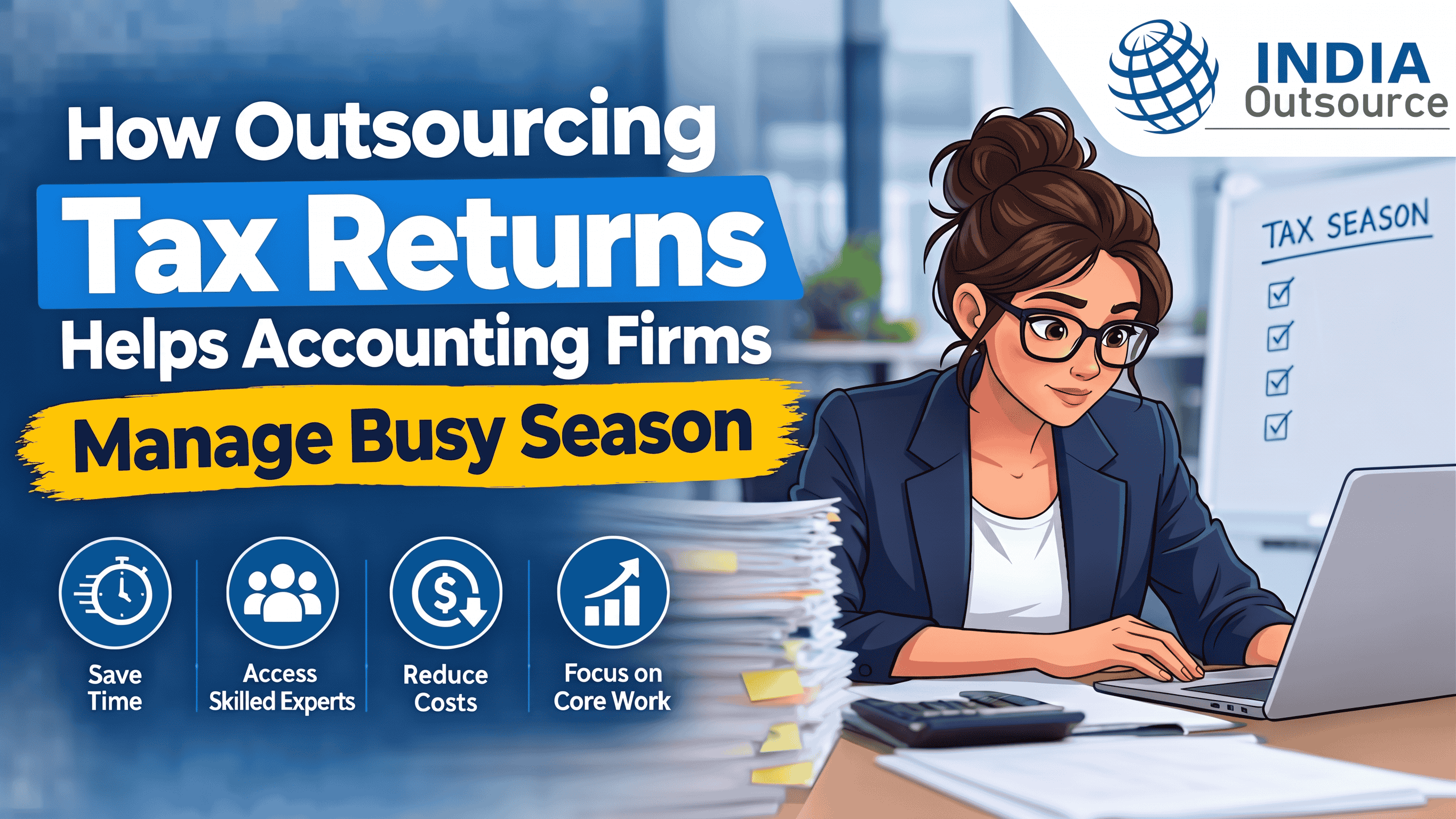
Tax season is one of the stressful periods for business owners. From a small start-up to an eCommerce business, a growing enterprise or even a freelance business, no matter how small the tax error may seem, it can result in penalties, audits, deduction losses and losses in your finances. In today’s ever-changing tax landscape, accurate accounting is no longer an option, it’s a necessity. Bookkeeping Services.

This is where professional bookkeeping services comes into handy. Bookkeeping is the cornerstone of sound financial reporting and tax filing. The services ensure that businesses have their financial records in order, up-to-date, and free from errors throughout the year, which minimizes the risk of tax errors and optimizes deductions and compliance with tax laws.

In this comprehensive guide, we will explain how bookkeeping service helps you minimize tax mistakes, why good bookkeeping is important and how professional bookkeeping can save your business time and money.

What Are Bookkeeping Services?

Bookkeeping services involve the systematic recording, organizing, and management of a company’s financial transactions. Professional bookkeepers keep in mind all financial transactions such as:

  • Income and revenue
  • Business expenses
  • Payroll records
  • Accounts payable
  • Accounts receivable
  • Bank reconciliations
  • Tax-related transactions
  • Financial reporting

Bookkeeping is essentially about keeping good records and staying current with them to create an accurate picture of a business’s financial health.

Without proper bookkeeping some businesses end up having a lot of trouble, such as having a very incomplete record system, inaccurate financial reports issued to their external parties and various tax issues because there is no documentation for them.

Why Tax Errors Are More Common Than Most Business Owners Realize

Many business owners think that only incorrect information is required for the tax mistake they make. But most of the tax errors occur because of inadequate record-keeping.

Common tax errors include:

  • Misreporting income
  • Claiming incorrect deductions
  • Missing eligible tax deductions
  • Incorrect payroll tax calculations
  • Duplicate expense entries
  • Mathematical mistakes
  • Misclassifying employees and contractors
  • Filing incomplete tax returns
  • Missing tax deadlines
  • Failing to reconcile bank accounts

Any error can cost you tax audits, fines, interest penalties, or a late tax refund.

Professional bookkeeping services can reduce these dangers by keeping financial information accurate all year long.

How Bookkeeping Services Help Reduce Tax Errors

  1. Maintaining Accurate Financial Records

The major reason for tax mistakes is financial information that is incorrect. Bookkeeping services ensure that each and every transaction is rightfully noted and appropriately sorted.

All financial information is easily accessible and in order when tax season comes.

Benefits include:

  • Accurate reporting of income
  • Proper expense tracking
  • Reliable financial statements
  • Reduced risk of missing transactions
  • Easier tax preparation

Keeping records accurately is the basis to tax returns that are error-free.

  1. Proper Categorization of Business Expenses

Expense categorization is an important part of tax reporting.

Many businesses accidentally:

  • Misclassify expenses
  • Overlook deductible costs
  • Record personal expenses as business expenses
  • Double-count deductions

Professional bookkeepers classify expenses appropriately based on accounting principles and taxes guidelines.

Examples include:

  • Office supplies
  • Travel expenses
  • Marketing costs
  • Equipment purchases
  • Professional services
  • Vehicle expenses

Proper classification prevents the risk of compliance problems and allows businesses to receive the right deductions.

  1. Reducing Human Errors in Financial Data Entry

Manual accounting methods lead to greater risk of error.

Common mistakes include:

  • Typographical errors
  • Duplicate entries
  • Missing invoices
  • Incorrect calculations
  • Transposed numbers

Bookkeeping professionals utilize software and verification procedure to reduce these risks.

Regular reviews and reconciliations can identify discrepancies earlier than they produce consequences in tax filings.

  1. Ensuring Timely Bank Reconciliation

Bank reconciliation is a process that is used to verify the financial records with the bank statement.

Without regular reconciliation, businesses may overlook:

  • Unrecorded transactions
  • Duplicate payments
  • Banking errors
  • Missing deposits
  • Fraudulent activities

Bookkeeping services perform frequent reconciliations to make sure records are accurate.

This is a process that greatly minimizes the tax reporting errors as financial statements are representative of actual business activities.

  1. Improving Tax Deduction Accuracy

Many businesses either:

  • Miss valuable deductions, or
  • Claim deductions they are not entitled to receive

In either case, tax issues can arise.

Professional bookkeeping makes it more likely that all expenses that are due will be adequately recorded and backed by documentation.

Examples of deductible costs could include:

  • Office rent
  • Utilities
  • Business insurance
  • Software subscriptions
  • Employee benefits
  • Advertising expenses
  • Professional fees

Good bookkeeping not only keeps you compliant with the tax laws but also ensures that you are able to save more on taxes.


  1. Keeping Financial Records Audit-Ready

Tax audits can happen at any time.

Where records are incomplete, or not organized, audits can become much more stressful and costly.

Professional bookkeeping services maintain:

  • Organized financial statements
  • Expense receipts
  • Payroll records
  • Vendor invoices
  • Tax documentation

An audit-ready system gives proof for tax filing and lessen the chances of penalties.

  1. Managing Payroll Tax Compliance

One of the most frequent errors that businesses make is with their payroll taxes.

Errors often involve:

  • Incorrect employee classifications
  • Miscalculated tax withholdings
  • Missed payroll tax deadlines
  • Inaccurate payroll records

Bookkeeping services ensure payroll is accurate by managing wages, benefits, deductions and tax requirements.

This helps minimize the chances of payroll tax penalties.

  1. Supporting Accurate Financial Reporting

Financial reports are critical for tax returns.

Some of the key reports that bookkeeping services produce are:

Profit and Loss Statements

The reports provide the summary of the business revenues and expenditures.

Balance Sheets

They illustrate assets, liabilities and equity.

Cash Flow Statements

These reports are used to monitor cash inflows and outflows.

If the reports are accurate, then the tax filings are accurate as well.

  1. Monitoring Tax Law Compliance

Tax regulations frequently change.

It’s common for business owners to have difficulties in meeting changing needs.

Professional bookkeeping services keep up to the date on:

  • Tax reporting standards
  • Documentation requirements
  • Filing procedures
  • Deduction eligibility rules

This proactive strategy can help businesses stay compliant and prevent them from making expensive errors.

  1. Preventing Missed Tax Deadlines

Late tax filings frequently come with penalties and interest fees.

Bookkeepers help businesses stay organized by tracking:

  • Tax due dates
  • Quarterly estimated tax payments
  • Payroll tax deadlines
  • Sales tax obligations

Proper record keeping helps in timely filing of tax returns with greater efficiency.


Financial Benefits of Reducing Tax Errors

The benefits of bookkeeping services are significant.

Lower Penalties

Accurate records reduce the risk of fines and penalties associated with incorrect tax filings.

Reduced Audit Risk

Keeping good financial records reduces the risk of fire alarms going off at audits.

Increased Tax Savings

Expenses can be tracked properly, and this will help identify all the allowable deductions.

Better Cash Flow Management

Financial data, if accurate, enables business owners to make informed financial decisions.

Time Savings

Bookkeeping experts take care of bookkeeping, permitting companies to focus on development.

Industries That Benefit Most from Professional Bookkeeping Services

Bookkeeping support can be used in virtually any business including:

  • Small businesses
  • Startups
  • eCommerce companies
  • Contractors
  • Construction firms
  • Healthcare practices
  • Real estate businesses
  • Law firms
  • Marketing agencies
  • Consultants
  • Freelancers
  • Nonprofit organizations

Bookkeeping is responsible for reducing risks for any organization that pays taxes.

Signs Your Business Needs Professional Bookkeeping Services

Bookkeeping Services can be required when:

  • Each year tax season is overwhelming.
  • Financial records are not organised.
  • Receipts and/or invoices are often lost.
  • Errors are common when processing payroll.
  • Bank accounts are NOT reconciled on a monthly basis.
  • You are unsure about deductible expenses.
  • Excessive time is taken for tax filing.
  • You are getting notices from or penalties from the IRS.

These issues can be overcome with professional bookkeeping before they turn into bigger financial problems.

Choosing the Right Bookkeeping Service

Look for a bookkeeping provider that:

Experience

Look for professionals who have industry-specific experience.

Technology

Pick providers that are using the latest accounting software.

Accuracy

Inquire about quality control.

Compliance Knowledge

Make sure they are aware of the tax laws in effect.

Reporting Capabilities

Regular financial reports offer insightful business information.

Scalability

Choose a service that will scale with your business.

The Long-Term Value of Professional Bookkeeping

Bookkeeping is less about paperwork and more about making sound investments in financial accuracy and business success.

Companies with good record keeping have the advantages of:

  • Better financial visibility
  • Reduced tax errors
  • Stronger compliance
  • Improved profitability
  • Enhanced decision-making
  • Greater confidence during tax season

The fees charged by professionals for bookkeeping services are far less than the financial mishaps, penalties for not filing taxes, and missed deductions.

Conclusion

Errors in taxes can be expensive, stressful and harmful to a business’s finances. Poor record-keeping poses a number of tax risks, such as incorrect expense reporting, unclaimed deductions, payroll errors, and compliance problems.

Professional bookkeeping services offer a dependable answer by keeping up precise financial records, organizing exchanges, guaranteeing adherence, and upholding exact taxation reports. Investing in expert bookkeeping can help businesses decrease tax mistakes, evade penalties, get the most out of deductions, and have additional self-confidence in their financial processes.

With the tax code ever changing and complex, the best thing any business can do is invest in a bookkeeping system that’s accurate.

Ready to Eliminate Tax Errors and Simplify Your Finances?

Contact Us Today

FAQs

1. How do bookkeeping services help reduce tax errors?

Bookkeeping services ensure proper bookkeeping or management of the financial documents, keep track of expenses, reconcile the accounts and prepare paperwork for tax. This can help minimize tax filing errors and guarantee adherence to tax laws.

2. Why is accurate bookkeeping important for tax preparation?

Bookkeeping is essential for the proper maintenance of accurate financial records to be submitted for taxes. It facilitates businesses to report income properly, claim allowable deductions, and prevent penalties due to incorrect records.

3. Can bookkeeping services help prevent tax audits?

While no service can promise that they will never be audited, a professional bookkeeping service will minimize the possibility by ensuring that you maintain accurate, organized, and compliant financial records that will support tax filing.

4. What tax mistakes can professional bookkeeping prevent?

Common tax pitfalls that can be avoided with bookkeeping services include improperly categorizing expenses, not reporting income, claiming the same deductions multiple times, filing payroll taxes incorrectly, and missing filing deadlines.

5. Do bookkeeping services help maximize tax deductions?

Yes. Accurate bookkeeping by the professional bookkeepers helps businesses claim deductions that are eligible and helps them avoid falling foul of the tax laws.

6. How often should bookkeeping be updated for tax accuracy?

Bookkeeping should be done regularly, preferably every week or month. Accurate financial records help keep money accurate and ready for tax time.

7. Can small businesses benefit from bookkeeping services?

Absolutely. Small businesses often face limited resources and complex tax requirements. Bookkeeping services help maintain financial accuracy, reduce tax errors, and improve overall financial management.

8. What is the difference between bookkeeping and tax preparation?

Bookkeeping is the process of documenting and organizing a business’ financial transactions on a continuous basis. It is also about creating records that can later be used for tax preparation and filing.

9. How does bookkeeping improve tax compliance?

Bookkeeping allows a business to ensure that its financial records are up to date and compliant with local, state and federal law, support accurate financial reports, track tax obligations, and assist the business in complying with current tax laws.

10. Are bookkeeping services worth the investment?

Yes, a business can benefit from the value of hiring a qualified bookkeeper in that hiring one can lead to savings in tax penalties, avoid excess costs, provide better visibility into the financial position of the business, and identify potential tax deductions.


Accounts Finalisation vs Bookkeeping

Accounts Finalisation vs Bookkeeping: Understanding the Difference

Accounts Finalisation vs. Bookkeeping: What Every Business Owner Must Know

Bookkeeping and Accounts Finalisation may seem to be interchangeable when it comes to dealing with business finances; however, they actually refer to two different areas of finance. Bookkeeping refers to the ongoing process of recording all of your company’s financial transactions each day – as they occur.

Accounts Finalisation refers to the preparation and closing of financial statements in order to accurately represent your company’s financial position (Health). For business owners, entrepreneurs, start-ups, and finance professionals, knowing the differences between bookkeeping and Accounts Finalisation is very important to provide a solid foundation for running your business.

Both of these functions are critical to maintaining proper records and records for businesses, ensuring that you are in compliance with state and federal regulations, making prudent financial decisions and growing your business by attracting investors and providing a timeline that leads to a financially secure future.

In this Guide, we will explain what bookkeeping and Accounts Finalisation are, the differences between bookkeeping and Accrued Expenses, what they do together and why they are both important to your business success.

What is Bookkeeping?

Bookkeeping involves daily, systematic recording, organizing and keeping of a company’s financial records. It is the starting point of accounting process and provides the accuracy of the financial activities.

Key Functions of Bookkeeping

Bookkeepers will keep an eye on several monetary transactions such as:

  • Sales and revenue entries
  • Purchase transactions
  • Expense tracking
  • Cash receipts and payments
  • Payroll records
  • Accounts payable
  • Accounts receivable
  • Bank reconciliations
  • Inventory records

The main purpose of bookkeeping is to keep accurate financial records that are kept up to date for use in financial reporting and analysis.

Importance of Bookkeeping

Good bookkeeping skills enable businesses to:

  • Monitor cash flow
  • Track income and expenses
  • Maintain financial accuracy
  • Simplify tax preparation
  • Improve budgeting and forecasting
  • Ensure regulatory compliance
  • Detect financial discrepancies early

Without proper bookkeeping, companies can have difficulties grasping their monetary standing and making decisions.

What is Accounts Finalisation?

Accounts finalisation is the process of preparing the final statements of accounts, making adjustments and reviews at the end of each accounting period. It converts raw bookkeeping information to meaningful financial reporting that represents the organization’s true financial performance and position.

The process typically monthly, quarterly or yearly and is the end of the accounting cycle.

Key Activities in Accounts Finalisation

Accounts finalisation includes:

  • Reviewing accounting records
  • Adjusting journal entries
  • Recording accruals and prepayments
  • Depreciation calculations
  • Inventory valuation
  • Reconciliation of accounts
  • Correction of accounting errors
  • Preparation of financial statements

The following are common outputs for the final delivery:

  1. Profit and Loss Statement

Shows the company’s income, expenses, and profitability during a specific period.

  1. Balance Sheet

Gives a snapshot of a company’s assets, liabilities and equity.

  1. Cash Flow Statement

Monitors the flow of funds in the company.

  1. Notes to Financial Statements

Provides supplemental explanations/disclosures for compliance.

Bookkeeping vs. Accounts Finalisation: Key Differences

Although closely connected, bookkeeping and accounts finalisation serve different purposes.

Aspect Bookkeeping Accounts Finalisation
Purpose Record daily transactions Prepare final financial reports
Timing Continuous process Period-end process
Focus Data entry and record keeping Financial reporting and analysis
Complexity Relatively straightforward More analytical and technical
Responsibility Bookkeeper Accountant or Finance Professional
Output Financial records Financial statements
Frequency Daily Monthly, Quarterly, Annually
Decision Making Provides raw data Provides actionable insights
Compliance Supports compliance Ensures regulatory compliance
Financial Review Minimal Extensive review and adjustments

How Bookkeeping and Accounts Finalisation Work Together

Bookkeeping and accounts finalisation should not be competitive, it’s complementary!

Bookkeeping is like laying the groundwork for a building; also accounts finalisation builds the building.

Step 1: Recording Transactions

Bookkeepers keep records of all the financial transactions during the accounting period.

Step 2: Maintaining Ledgers

All transactions are classified and recorded in the appropriate accounts.

Step 3: Trial Balance Preparation

Bookkeeping records are used to create a trial balance.

Step 4: Adjustments

Accountants make necessary adjustments for accruals, depreciation, provisions, and corrections.

Step 5: Financial Statement Preparation

Adjusted balances are used in the preparation of final accounts.

Step 6: Financial Analysis

Finalised accounts are used for strategic decision making.

If a business does not have accurate bookkeeping, accounts finalisation can become challenging and prone to errors.

Why Accurate Bookkeeping is Critical for Successful Accounts Finalisation

Poor bookkeeping results in the following:

  • Incorrect financial statements
  • Tax filing errors
  • Compliance issues
  • Cash flow mismanagement
  • Audit complications
  • Financial penalties

Accurate bookkeeping ensures:

  • Reliable financial data
  • Faster closing processes
  • Reduced accounting errors
  • Better business insights
  • Improved investor confidence

Good bookkeeping is likely to result in smoother and efficient accounts finalisation.

The Accounts Finalisation Process Explained

Let’s take a look at the standard accounts finalisation workflow.

Review of Financial Records

All bookkeeping entries are checked for completeness and accuracy.

Reconciliation of Accounts

Accounts will be checked against supporting documents including:

  • Bank statements
  • Vendor statements
  • Customer records
  • Tax records

Adjusting Entries

Adjustments may include:

  • Accrued expenses
  • Prepaid expenses
  • Depreciation
  • Amortization
  • Bad debt provisions

Inventory Verification

An inventory check is done against accounting records.

Preparation of Final Accounts

The accountant prepares:

  • Profit and Loss Statement
  • Balance Sheet
  • Cash Flow Statement

Management Review

Financial reports are reviewed and approved by management.

Benefits of Professional Bookkeeping Services

There are many reasons why many businesses outsource their bookkeeping to someone who already has the experience in the line of work.

Key benefits include:

Improved Accuracy

Experts minimise mistakes and keep accurate records.

Time Savings

Business owners can concentrate on expansion and not administration work.

Better Financial Visibility

Financial data is updated in real time, aiding in decision making.

Tax Readiness

The records help simplify tax filing and tax audits.

Regulatory Compliance

Professional bookkeeping assists in fulfilling legal requirements.

Benefits of Professional Accounts Finalisation Services

There are many benefits to professional accounts finalisation.

Reliable Financial Statements

Strategic planning is made easier with accurate reports.

Compliance Assurance

Compliance with accounting principles and tax laws.

Audit Preparedness

Audits and inspections will be easier to prepare if the accounts are well prepared.

Enhanced Investor Confidence

Clear financial reporting builds trust among stakeholders.

Business Growth Support

Financial insights enable the identification of opportunities and risks.

Common Mistakes Businesses Make

There are numerous companies that face issues because of the improper financial practice.

Mixing Personal and Business Expenses

This causes confusion and will impact on reporting.

Delaying Transaction Recording

Errors are likely to increase with late entries.

Ignoring Reconciliations

Unreconciled accounts may conceal discrepancies.

Incomplete Documentation

It makes it harder to deal with missing invoices and receipts.

Skipping Adjustments

Not accruing or depreciating can mislead the financial statements.

Technology’s Role in Bookkeeping and Accounts Finalisation

Modern accounting software has transformed financial management.

Popular solutions offer:

  • Automated transaction recording
  • Bank integrations
  • Real-time reporting
  • Cloud-based access
  • Financial dashboards
  • Automated reconciliations

Such technologies enhance bookkeeping efficiency and accounts finalisation accuracy.

When Should Businesses Finalise Accounts?

This can be different based on the business requirements and regulations.

Most businesses finalize accounts:

  • Monthly for management reporting
  • Requires Quarterly for Performance Review.
  • To be reported monthly for management purposes.

Finalisation should be carried out on a regular basis to keep management informed and proactive.

Choosing the Right Financial Partner

No matter if you are a startup, SME, or a big organization, partnering with proficient accounting experts can help you manage your finances better.

Look for providers that offer:

  • Bookkeeping services
  • Accounts finalisation
  • Tax compliance
  • Payroll management
  • Financial reporting
  • Audit support

An all-encompassing financial partner guarantees smooth bookkeeping and final accounts preparation.

Conclusion

The difference between Accounts Finalisation vs Bookkeeping is key to supporting the health of your company’s finances and facilitating business growth. Bookkeeping provides the basis for your financial recordkeeping. Good bookkeeping captures every transaction accurately, while accounts finalisation uses this data to create meaningful financial statements, which support decision making, compliance and growth.

Both processes are essential. Accurate bookkeeping supports easier accounts finalisation, generating reliable financial statements, enabling better management of cash flow and achieving improved business performance.

By placing equal priority on both activities, companies can achieve a competitive advantage by leveraging greater financial transparency, better compliance, and more informed strategic planning.

Ready to Streamline Your Financial Management?

Contact our accounting specialists today

FAQs

1. What is the difference between bookkeeping and accounts finalisation?

Bookkeeping entails the maintaining of the records of daily financial transactions: sales, purchases, and expenses. Account finalisation means checking those records and compiling the financial summaries: profit and loss accounts and balance sheets.

2. Why is bookkeeping important before accounts finalisation?

Bookkeeping provides the financial information needed to complete accounts. By keeping proper books, you can produce financial reports that are accurate, credible, and free of major errors.

3. What documents are prepared during accounts finalisation?

Account finalisation typically includes preparing the profit and loss statement, cash flow statement, balance sheet, trial balance, and attached financial disclosures.

4. Can a business perform accounts finalisation without bookkeeping?

No. Accurate bookkeeping records are necessary for accounts finalisation. If the books are not properly maintained, they will be difficult to use to prepare accurate financial statements.

5. How often should accounts be finalised?

Typically, Businesses will finalize accounts based on their management needs; either monthly, quarterly or annually; factoring in tax requirements, and regulatory obligations.

6. Who is responsible for bookkeeping and accounts finalisation?

Primarily, a bookkeeper or accounting personnel performs bookkeeping duties and an accountant, financial manager, or accounting professional performs account finalisation duties.

7. What are the benefits of professional bookkeeping services?

Professional bookkeeping provides increased accuracy, tracks cash flow, decreases errors, simplifies tax preparation, and increases financial visibility which facilitates making better decisions.


8. What are the benefits of accounts finalisation?

Through finalizing accounts a company can understand its financial performance, comply with local laws and regulations, prepare for an audit, prepare themselves to attract potential investors and ultimately help them make good strategic business decisions.

9. Is accounts finalisation part of accounting?

Yes. Accounts Finalisation is an integral part of the accounting process that involves reviewing, adjusting and reconciling financial statements in accordance with the rules and regulations in order to prepare official financial statements.

10. How do bookkeeping and accounts finalisation contribute to business growth?

The process of bookkeeping assists in maintaining accurate financial records; while finalizing accounts provides insight through generated financial report(s). These components of bookkeeping, accounts finalization, input to budgeting, planning, compliance and ultimately supporting growth.

Payroll Outsourcing

Why Payroll Outsourcing Is a Smart Business Move in 2026

The Future of Business Efficiency Starts with Smarter Payroll Management

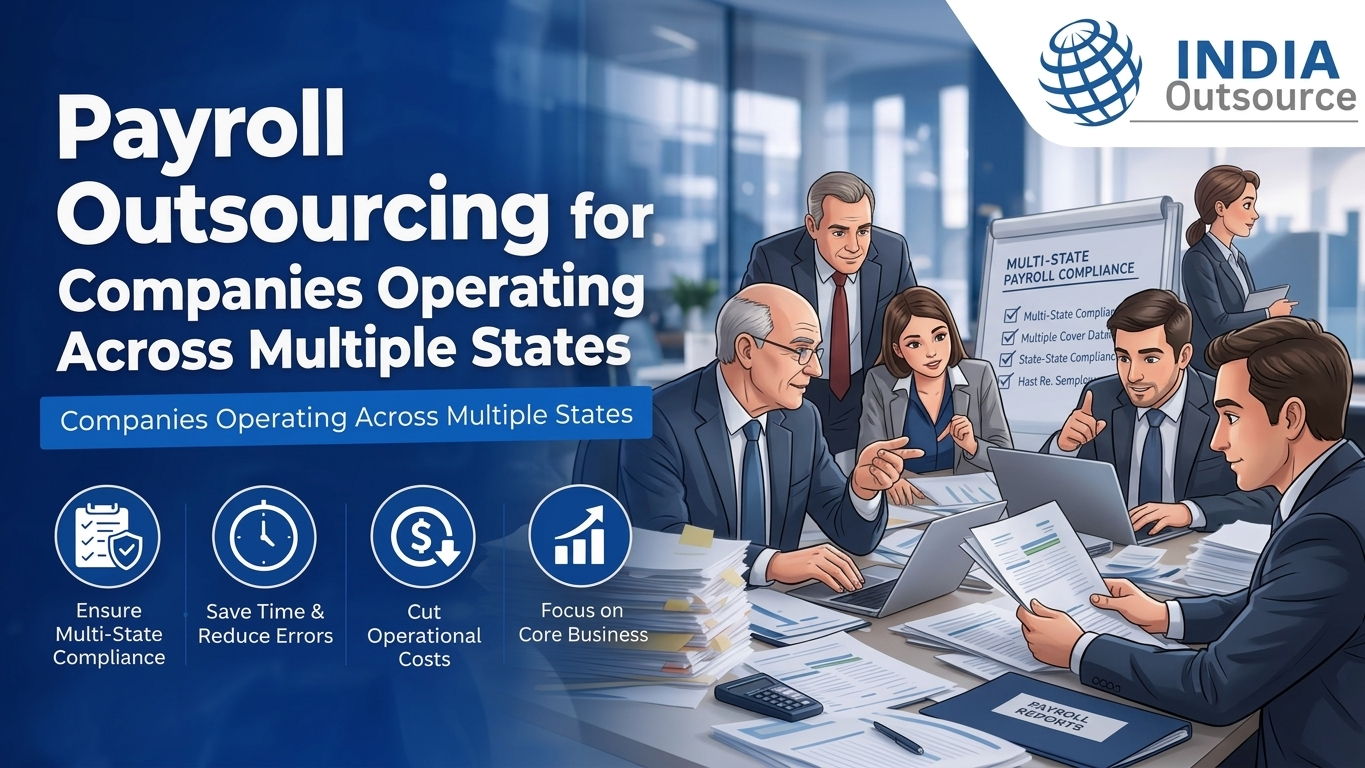
Imagine running a company where every employee demands fast and accurate payment of salaries, and frequent updates of government regulations create compliance hurdles—and one little payroll error can result in fines, unhappy workers, or lawsuits. In 2026 Payroll management has moved beyond simply being another daily administration task to becoming an essential business function that directly affects an organization’s productivity, compliance and the completeness of its employee trust relationships to the company. Payroll outsourcing in 2026.

In the era of digital transformation, remote employees, and global workforce engagement are all being embraced by employers as they try to keep up with the rapid changes to employee-related compliance. In many cases, traditional in-house payroll systems are falling well short of meeting the increased compliance complexity. Accordingly, businesses are outsourcing payroll services as their largest competitive advantage. As a result, companies of all sizes can off-load their payroll processing to an outsourcing provider, significantly decrease operating costs, improve accuracy, increase compliance, and put more resources toward the growth of the organization than toward extensive payroll management.

We will take a closer look at why so many organizations are turning to payroll outsourcing as one of the best business decisions to make in 2026 and how this practice is going to help organizations remain competitive in the ever-evolving business environment.

What Is Payroll Outsourcing?

Payroll outsourcing is the process of entrusting the operations of payroll administration and employee compensation to a third-party service provider who has a proven expertise in the field of payroll administration.

These services typically include:

  • Salary calculation and processing
  • Tax deductions and filings
  • Employee benefits administration
  • Attendance and leave management
  • Compliance management
  • Direct deposits and payment processing
  • Payslip generation
  • End-of-year tax reporting
  • Employee record maintenance
  • Payroll analytics and reporting

Businesses don’t have to dedicate internal staff and resources to payroll operations when they can trust in an expert to do it efficiently and accurately.

Why Payroll Outsourcing Matters More Than Ever in 2026

Business has undergone many changes in the last several years. Companies now face:

  • Remote and hybrid workforce management
  • Complex tax regulations
  • Frequent labor law updates
  • Growing cybersecurity threats
  • Rising operational costs
  • Increased demand for employee transparency

All these have made payroll administration more complex than ever before.

Payroll isn’t simply about paying employees anymore—it’s about building trust with employees and complying with laws. Using an outside company to do payroll helps your company stay competitive and accurate and in compliance with laws.

Top Benefits of Payroll Outsourcing in 2026

  1. Significant Cost Savings

The biggest reasons businesses outsource payroll is to reduce costs.

Managing payroll internally requires:

  • Payroll software subscriptions
  • HR personnel
  • Training expenses
  • Compliance resources
  • IT infrastructure
  • Data security investments

Payroll outsourcing reduces numerous of these overheads.

Companies will pay only for the payroll services they use but will also have access to the latest payroll technology and help, without having to maintain a payroll department themselves.

Cost Reduction Areas:

  • Lower administrative costs
  • Reduced software expenses
  • Fewer compliance penalties
  • Decreased training costs
  • Reduced staffing requirements
  1. Improved Compliance and Risk Management

Regulatory compliance remains one of the biggest payroll challenges in 2026.

Governments frequently update:

  • Tax regulations
  • Labor laws
  • Wage requirements
  • Social security contributions
  • Employee benefit regulations

Even a single minor payroll error can result in penalties, audits, legal disputes, and reputational damage.

Professional payroll services providers continuously monitor regulatory changes and make sure payroll processes remain compliant.

Compliance Benefits Include:

  • Accurate tax filings
  • Timely statutory submissions
  • Labor law compliance
  • Reduced legal exposure
  • Lower audit risks

The expertise mitigates business risk to a great extent.

  1. Enhanced Data Security

Payroll contains sensitive information about employees such as:

  • Salary details
  • Bank account information
  • Tax identification numbers
  • Personal records

Cybersecurity threats continue to increase globally in 2026.

A trustworthy payroll outsourcing company would have a lot of investments to make in:

  • Advanced encryption
  • Secure cloud infrastructure
  • Multi-factor authentication
  • Data backup systems
  • Cybersecurity monitoring

Most small and medium-sized businesses don’t have the resources to have as much security internally.

By outsourcing payroll, you get enterprise-level security of critical employee-related information.

  1. Increased Accuracy and Reduced Errors

Payroll mistakes can negatively impact employee morale and business reputation.

Common payroll mistakes include:

  • Incorrect salary calculations
  • Tax deduction errors
  • Overtime miscalculations
  • Missed payments
  • Inaccurate benefit contributions

Payroll outsourcing companies use advanced automation software that significantly decreases the risk of any human mistakes.

Consequently, employees get accurate payment timely, leading to trust and satisfaction.

  1. Greater Focus on Core Business Activities

Business owners need to concentrate on what they can do to grow the business and make it profitable.

Unfortunately, it’s time consuming to manage payroll, with valuable time spent on:

  • HR teams
  • Finance departments
  • Business owners
  • Operations managers

By outsourcing payroll, organizations can redirect resources toward:

  • Business development
  • Customer acquisition
  • Product innovation
  • Employee engagement
  • Strategic planning

This fresh focus directly supports the growth of the organization.

  1. Scalability for Growing Businesses

As companies expand, payroll complexity increases.

Growth often introduces:

  • New employees
  • Multiple locations
  • Different tax jurisdictions
  • Contract workers
  • International teams

Payroll outsourcing companies are meant to grow with your business.

Payroll outsourcing systems can be adapted to handle evolving labor needs, regardless of the size of the workforce, from 10 to 1,000 employees.

  1. Access to Advanced Payroll Technology

The latest payroll software vendors have the most up-to-date technology platforms available which feature:

  • Cloud-based payroll systems
  • Employee self-service portals
  • Mobile payroll access
  • Automated tax calculations
  • Real-time reporting
  • HR integrations
  • Workforce analytics

Sophisticated payroll technology without significant investments is made available for businesses.

  1. Better Employee Experience

Employees expect:

  • Accurate salary payments
  • Timely payslips
  • Easy access to payroll information
  • Transparent deductions
  • Responsive support

Employee experience is improved by using automated systems and self-service tools in payroll outsourcing.

Happy employees are more efficient, more involved, and are less inclined to leave the company.

Key Payroll Outsourcing Trends in 2026

AI-Powered Payroll Automation

The era of Artificial Intelligence is revolutionizing payroll operations.

AI-driven payroll solutions can:

  • Detect anomalies
  • Predict payroll issues
  • Automate calculations
  • Improve compliance monitoring
  • Generate actionable insights

Businesses leveraging AI-powered payroll outsourcing gain improved efficiency and accuracy.

Cloud-Based Payroll Solutions

Cloud payroll software is still leading the way.

Benefits include:

  • Real-time access
  • Remote management
  • Enhanced collaboration
  • Automatic updates
  • Improved security

Cloud technology is helping the modern economy’s distributed workforce.

Global Payroll Management

With remote work becoming more global, businesses are recruiting beyond geographical boundaries

Global payroll outsourcing providers streamline:

  • Multi-country payroll processing
  • Currency management
  • International tax compliance
  • Cross-border employment regulations

This allows companies to hire talent from abroad without the hassle.

Integrated HR and Payroll Systems

Companies are looking for integrated solutions that integrate:

  • Payroll
  • Human resources
  • Attendance tracking
  • Performance management
  • Benefits administration

Integrated platforms boost operational efficiency and data accuracy.

Challenges Payroll Outsourcing Solves

Complex Tax Compliance

Tax laws are subject to frequent changes and differences across regions.

Outsourcing payroll experts make sure that payroll taxes are calculated and filed correctly.

Administrative Burden

Since the administration of payroll takes a lot of time and effort.

Outsourcing helps to eliminate repetitive tasks and enhance productivity.

Talent Shortages

It can be hard to hire qualified payroll staff and payroll services are costly.

Outsourcing gives instant access to payroll professionals.

Business Expansion Challenges

Growth brings complexity to payroll.

Outsourcing ensures smooth payroll operations during expansion.

How to Choose the Right Payroll Outsourcing Provider

When choosing a payroll outsourcing partner, consider:

Industry Experience

Select a provider that has experience in your industry and business size.

Compliance Expertise

Check their understanding of relevant tax and employment legislation.

Technology Capabilities

Seek automation and reporting tools on cloud-based platforms.

Data Security Standards

Make sure of robust cyber security measures and certifications.

Customer Support

Having responsive support is crucial to getting payroll problems solved in a timely fashion.

Scalability

Choose a company that will expand with you.

Is Payroll Outsourcing Right for Your Business?

Payroll outsourcing can be especially advantageous for:

  • Startups
  • Small businesses
  • Growing companies
  • Multi-location organizations
  • International businesses
  • Companies seeking cost optimization

When payroll processing takes up too much time, brings up compliance issues, or hinders business expansion, outsourcing might be the perfect answer.

The Business Impact of Payroll Outsourcing

Companies that have their payroll handled by an outsourcing firm may encounter:

  • Improved operational efficiency
  • Lower administrative costs
  • Reduced compliance risks
  • Enhanced employee satisfaction
  • Greater scalability
  • Stronger data security
  • Increased business focus

These benefits impact directly on long term profitability and competitiveness.

Conclusion

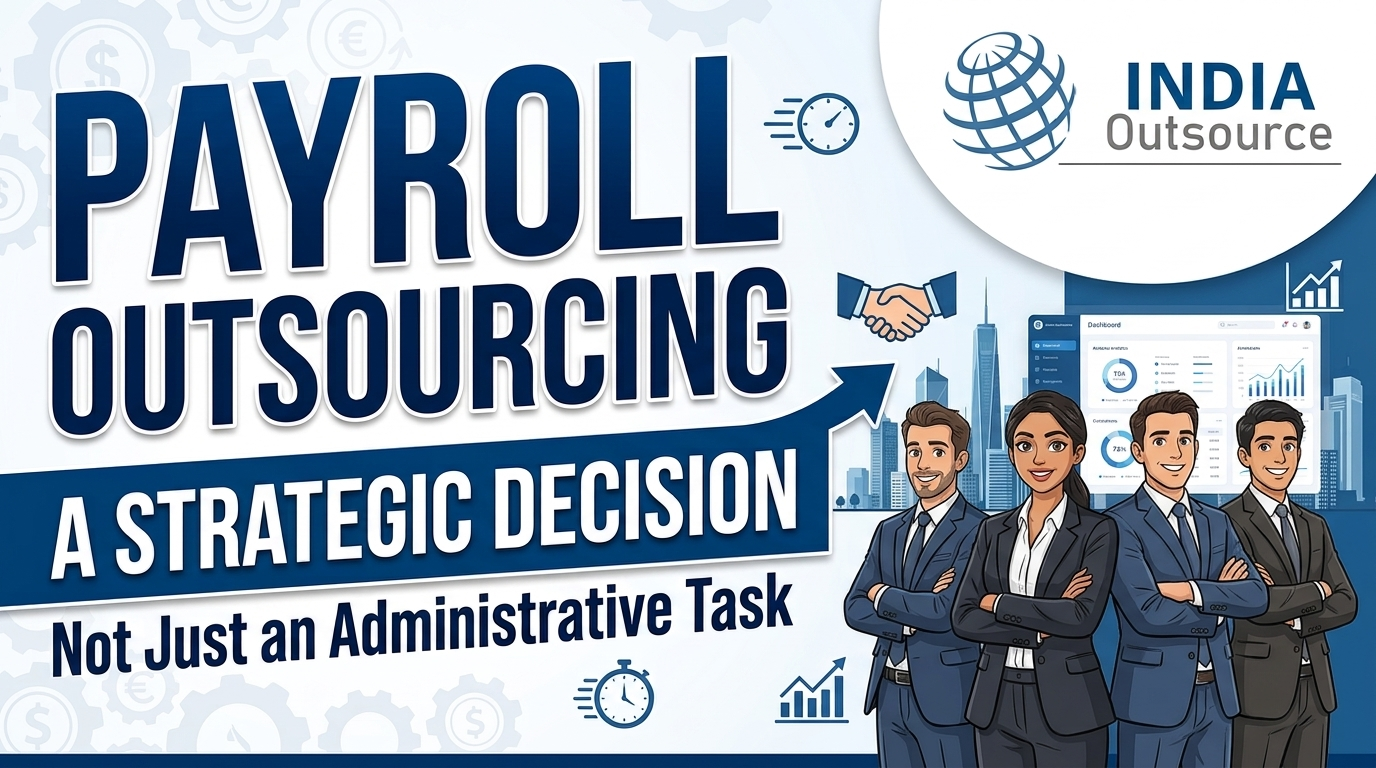
Payroll outsourcing in 2026 is more than just a cost-cutting solution, it’s a strategic business benefit. With so many new regulations going into payroll, and the workforce management system changing rapidly, company requirements are demanding reliable, scalable and technology-based solutions.

Compliance, workload reduction, security, accuracy and efficiency are all significant benefits that comes from contracting out payroll services. Delegating payroll can bring businesses a better sense of compliance, less work load burden, security, elimination of costly mistakes and focus on top-level business and business goals. Whether you’re a startup aiming for rapid growth or an established enterprise seeking greater efficiency, payroll outsourcing provides the expertise and flexibility needed to thrive in today’s competitive business environment.

Companies that embrace payroll outsourcing in 2026 position themselves for stronger growth, better employee experiences, and long-term operational success.

Ready to Simplify Your Payroll Processes?

Contact Us Today


FAQs

1. What is payroll outsourcing?

Payroll outsourcing is the process of hiring a third party payroll service provider to handle the salary processing of employees, tax computations, compliance reporting, payroll slip generation, benefits administration and other tasks that are related to payroll. It is useful in enhancing business efficiency, minimize mistake rate and guarantee regulatory compliance.

2. Why is payroll outsourcing important in 2026?

In 2026, the demand for payroll outsourcing has grown in significance because of changes in labor regulations, intricate tax laws, remote working, and cybersecurity concerns. This is done by businesses because it increases accuracy, simplifies compliance, decreases administrative workload and allows businesses to dedicate more resources to their business operations.

3. How does payroll outsourcing help reduce business costs?

By not having to retain dedicated payroll personnel, payroll software, payroll compliance resources, ongoing employee training and IT infrastructure, payroll outsourcing can help you save money. Businesses can opt for expertise payroll services that are predictable and a lot cheaper than having an in-house payroll team.

4. Is payroll outsourcing suitable for small businesses?

Yes. For small businesses, payroll outsourcing offers significant advantages and can offer a time-saving solution, ease the administrative burden, mitigate compliance risks, and enable access to professional payroll expertise without having to invest in a dedicated payroll employee.


5. What services are included in payroll outsourcing?

Most payroll outsourcing providers offer services such as:

  • Salary processing
  • Payroll tax calculations
  • Tax filing and reporting
  • Employee benefits administration
  • Leave and attendance management
  • Direct deposits
  • Payslip generation
  • Compliance monitoring
  • Payroll reporting and analytics
  • Employee record management

6. Is payroll outsourcing secure?

Yes. A good payroll service outsourcing company will implement a number of high-level security precautions including data encryption, secure cloud storage, multi factor authentication, regular backups and cyber security surveillance to ensure sensitive information about employees and payroll is secure.

7. Can payroll outsourcing improve compliance?

Absolutely. Payroll outsource companies keep themselves updated on tax law changes, labor laws, minimum wages and statutory requirements. They can assist businesses in preventing payroll compliance issues that can lead to penalties, audits, and legal troubles.

8. What are the biggest benefits of payroll outsourcing?

The key benefits of payroll outsourcing include:

  • Cost savings
  • Improved compliance
  • Reduced payroll errors
  • Better data security
  • Increased efficiency
  • Access to advanced payroll technology
  • Scalability for business growth
  • Enhanced employee satisfaction

9. How does payroll outsourcing improve employee experience?

Payroll outsourcing ensures employees receive accurate and timely salary payments, transparent deductions, easy access to payslips, and reliable payroll support. This improves employee trust, satisfaction, and overall workplace experience.

10. Can payroll outsourcing support remote and hybrid workforces?

Yes. Modern payroll outsourcing providers offer cloud-based payroll solutions that enable businesses to manage remote, hybrid, and geographically distributed employees efficiently while maintaining compliance and payment accuracy.