


Managing payroll is already a complex responsibility for any growing business. However, if you have employees working in several states, payroll is much more complicated. State tax laws, wage rules, filing requirements, employee classification and compliance deadlines can cause an administrative burden to HR and finance departments.
Payroll outsourcing for companies operating across multiple states provides a solution that helps them overcome these difficulties and enhances payroll accuracy, compliance, efficiency, and scalability.
Rather than wasting critical internal capacity on the ever-changing payroll rules and manually calculating payroll, companies can work with a specialist in payroll who can take care of steps from payroll calculation to tax withholding and reporting to compliance.
An outsource payroll service can provide your business with the necessary infrastructure and expertise to handle a multi-state workforce with confidence, irrespective of whether you’re working in two states or have employees scattered across the country.
What Is Multi-State Payroll Outsourcing?
Multi-state payroll outsourcing involves outsourcing your payroll needs to an external payroll service provider who will handle payroll duties for employees across multiple states.
Outsourced payroll services could be provided with the following options depending on the provider and your business needs:
- Employee payroll processing
- Federal, state, and local tax calculations
- Payroll tax withholding
- State payroll tax registration
- New-hire reporting
- Payroll tax filing and payments
- Wage and hour compliance support
- Year-end tax reporting
- W-2 and 1099 preparation
- Payroll reconciliation
- Employee payroll support
- Payroll reporting and analytics
- Compliance monitoring
- Payroll system integration
The main goal with these is to decrease the administrative burden that is included in payroll and also to ensure that your company can maintain accurate and compliant payroll procedures throughout multiple jurisdictions.
Why Multi-State Payroll Is More Complicated
In a multi-state business, it’s not always possible to have the same payroll methodology for all of the employees.
Each state may have different requirements related to:
State Income Taxes
There are some states that do charge individual income tax, and some that don’t. Tax rates, withholding requirements, filing rules and obligations of the employers may differ from one jurisdiction to another.
State Payroll Taxes
Employers may be subject to different registration, withholding, reporting and payment requirements based on the location of the employees.
Minimum Wage Requirements
Regional and local minimum wage rates may vary significantly. Employers have a duty to pay the appropriate minimum wage to their workers, depending on their workplace and their situation.
Overtime Regulations
State and federal wage and hour laws may overlap with regard to overtime. Employers should have in place payroll systems that will determine which rules are applicable.
Paid Leave Requirements
Some states and municipalities require paid sick leave, family leave or other employee benefit mandates.
State Unemployment Insurance
Employers might require to register with the state agencies of unemployment and pay the necessary unemployment insurance contributions.
Local Payroll Requirements
City, County or other local payroll taxes and requirements may apply to some employees, in addition to state and federal requirements.
Having to handle payroll in multiple jurisdictions is a significant challenge compared to processing payroll for employees in one jurisdiction.
Benefits of Payroll Outsourcing for Multi-State Companies
1.Simplify Multi-State Payroll Compliance
One of the major benefits of outsourcing payroll is decreased administration burden relating to compliance.
A dedicated payroll service company can help you with numerous calculations, filing, tax payments, reporting, and deadlines in various jurisdictions.
This enables your internal team to dedicate their time to strategic HR, financial and business tasks instead of being consumed with keeping track of payroll regulations.
2. Reduce Payroll Errors
Payroll mistakes can lead to economic losses, discontent among employees, and compliance issues.
An outsourced payroll company will usually have already have a set payroll system and processes in place that will calculate wages, deductions, taxes and other various components of payroll.
Automated calculations minimize the chances of common manual errors, and also help to streamline payroll.
3. Save Time and Internal Resources
It takes a lot of time to process payroll in-house.
Your HR or finance team could be responsible for:
- Track employee hours
- Calculate salaries and wages
- Manage deductions
- Calculate taxes
- Prepare payroll reports
- Monitor filing deadlines
- Submit tax payments
- Maintain employee records
- Respond to payroll questions
- Research regulatory changes
Many of these can be delegated to an expert payroll staff.
4. Improve Payroll Accuracy
This is especially crucial if employees are spread throughout the country.
A robust payroll system promotes accurate payroll and calculation of the correct taxes and deductions that are according to the employee’s situation.
Accurate payroll also makes employees feel better about the job and lessens the time spent in payroll corrections.
5. Keep Up With Regulatory Changes
There may be an evolving nature of payroll laws and regulations.
It can be challenging to track changes across multiple jurisdictions for multi-state employers.
An expert payroll services provider can help companies remain updated on relevant alterations to the payroll processing, tax regulations, reporting, and employee pay.
6. Improve Data Security
Payroll is made up of very confidential details. These include employee salaries or wages, tax details, banking information, as well as other personal information about the workers.
Professional payroll services generally use controlled systems, access control and security policies, and many other safety measures to ensure the safety of payroll information.
Companies should check the security protocols, data protection policies, access control processes, and compliance certificates of a service provider before choosing them as a partner.
7. Scale More Easily
Having employees work remotely or opening an office in another state can add more payroll work.
An outsourced payroll system can provide the option to create processes that can support workers in the other jurisdictions without having to rebuild the company’s entire payroll solution.
This can be especially valuable for:
- Startups expanding nationally
- Growing businesses
- Remote-first companies
- Professional services firms
- Franchise organizations
- Companies with distributed teams
- Businesses entering new markets
How Does Multi-State Payroll Outsourcing Work?
There can be multiple steps in a typical outsourced payroll process.
1: Payroll Setup
The provider collects data to learn about your business, your employees, compensation, benefits, tax registrations and applicable jurisdictions.
2: Employee Data Management
The payroll system maintains employee information, including salary, wages, work location, deductions, benefits and tax elections.
3: Payroll Calculation
The payment processor computes gross wages, deductions, taxes, benefits, overtime, and the final pay in accordance with payroll rules in effect.
4: Tax Withholding and Filing
Federal, state, and local payroll taxes are calculated and the payroll provider makes the payments and files the paperwork as applicable in accordance with the service agreement.
5: Payroll Processing
Employees are paid in accordance with the terms and conditions outlined in the payroll terms and conditions, such as direct deposit or other payroll payment method.
6: Reporting and Reconciliation
Reports for payroll can be created for HR, finance, accounting or management.
7: Year-End Processing
The payroll vendor may additionally also support year-end reporting, such as preparation and distribution of relevant employee tax forms.
What Services Should a Multi-State Payroll Provider Offer?
Businesses should consider more than just processing payroll when assessing payroll outsourcing companies.
A thorough provider should have the following services available:
- Multi-state payroll processing
- Federal payroll tax support
- State tax filing support
- Local tax management
- Payroll tax registration assistance
- New-hire reporting
- Wage garnishment administration
- Employee self-service
- Direct deposit
- Payroll reporting
- Time and attendance integration
- Benefits integration
- HR software integration
- Year-end tax form preparation
- Compliance support
- Dedicated payroll assistance
The best mix will be based on your company, the size and makeup of your workforce, your industry and geographic location.
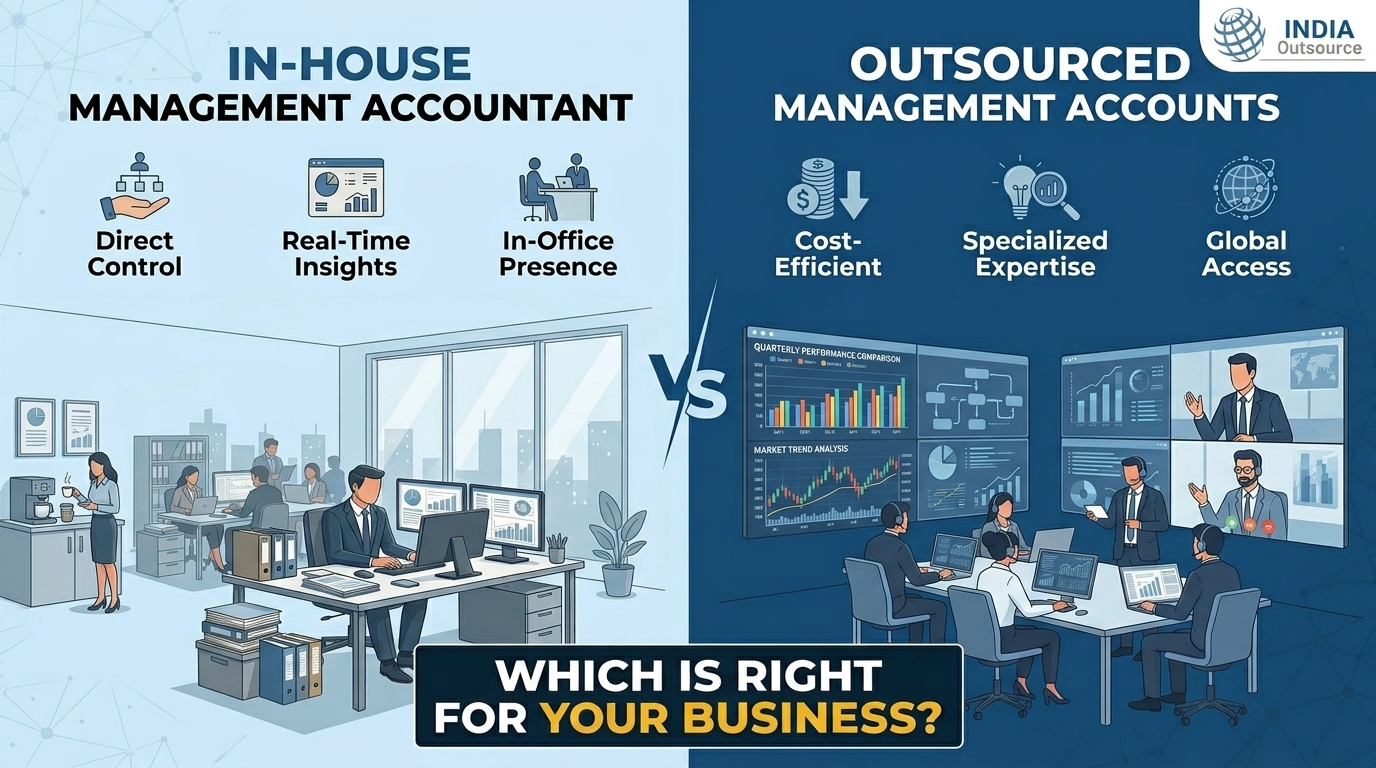
Payroll Outsourcing vs. In-House Payroll
There is a lot of debate in the business world and it’s a question that is asked by business owners a lot whether payroll should be outsourced or kept within the business.
| Factor | In-House Payroll | Outsourced Payroll |
| Payroll processing | Internal team | External provider |
| Multi-state complexity | Managed internally | Supported by payroll specialists |
| Compliance monitoring | Internal responsibility | Provider may support monitoring |
| Technology | Company-managed | Provider platform |
| Staffing requirements | Higher | Potentially lower |
| Scalability | May require additional resources | Often easier to scale |
| Administrative workload | Higher | Reduced |
| Payroll expertise | Must be maintained internally | External expertise available |
No one solution fits all businesses. Businesses should take into account the scale of their workforce, the intricacies of payroll, their internal knowledge and expertise, technology, budget and risk management needs.
How Much Does Multi-State Payroll Outsourcing Cost?
Payroll outsourcing expenses will differ based on a number of factors.
Common pricing factors include:
- Number of employees
- Number of states
- Payroll frequency
- Number of pay groups
- Tax filing requirements
- Benefits administration
- Time and attendance integration
- HR services
- Reporting requirements
- Employee onboarding volume
- Additional compliance services
Several companies offer a per employee per payroll basis or monthly subscription fees, or tailored packages.
Businesses should look at more than just the price of the provider, but on the overall value of the service, such as technology, compliance support, customer service, scalability, security, and reporting.
Who Can Benefit From Multi-State Payroll Outsourcing?
Whether you’re a small business or a large enterprise, payroll outsourcing can benefit a variety of businesses.
Growing Businesses
When payroll starts to get complicated, it can be advantageous to a company to get the professional assistance they need when expanding beyond their state lines.
Remote-First Companies
Employers with remote workers in other states might have other payroll and compliance issues to think about.
Small and Mid-Sized Businesses
Businesses that do not have designated payroll professionals can outsource payroll work to bring in outside expertise without having to create an entire payment department internally.
Large Enterprises
A centralized payroll system and external professionals can help organizations avoid complex payroll procedures, while staffing multiple states.
Companies Expanding Into New States
Payroll outsourcing can assist companies that are entering into new markets to build payroll processes for new jurisdictions.
Challenges to Consider When Outsourcing Payroll
While payroll outsourcing offers many benefits, but businesses should also evaluate potential challenges.
Loss of Direct Control
Some companies will opt for internal payroll management in order to have complete control over their payroll operations.
Vendor Dependence
Outsourcing involves forming a relationship with an external provider, which means that the reliability of the provider and the quality of the service are factors to consider.
Data Security
Payroll software has employee information that shouldn’t be taken lightly, so it’s important to take a close look at the security measures offered by a provider.
Integration Challenges
Payroll systems can be integrated with accounting, human resource, benefit, TIME tracking, and others business systems.
Service Quality
Providers may differ in regard to response times, availability of help, quality of implementation, and problem solving.
Evaluation of potential service providers can help organizations choose the one that best fits their needs in terms of operations.
How to Choose a Multi-State Payroll Outsourcing Provider
If you are considering signing a payroll outsourcing contract, ask a few questions of the payroll provider:
- How many states do you support?
- Are you ready to comply with state and local payroll tax requirements?
- How is payroll tax filing handled?
- Do you have a remote workforce?
- Is it possible to connect into our accounting software?
- Is the platform employee self-service ready?
- What are the security measures used to secure payroll data?
- How are regulatory updates communicated?
- What kind of customer service is provided?
- How does implementation work?
- What does that entail if a payroll error does happen?
- What are the reporting features?
- How does pricing work?
- Do there exist more implementation or filing fees?
By answering these questions, you can gauge if a payroll provider can meet your company’s infrastructure, expertise and service needs.
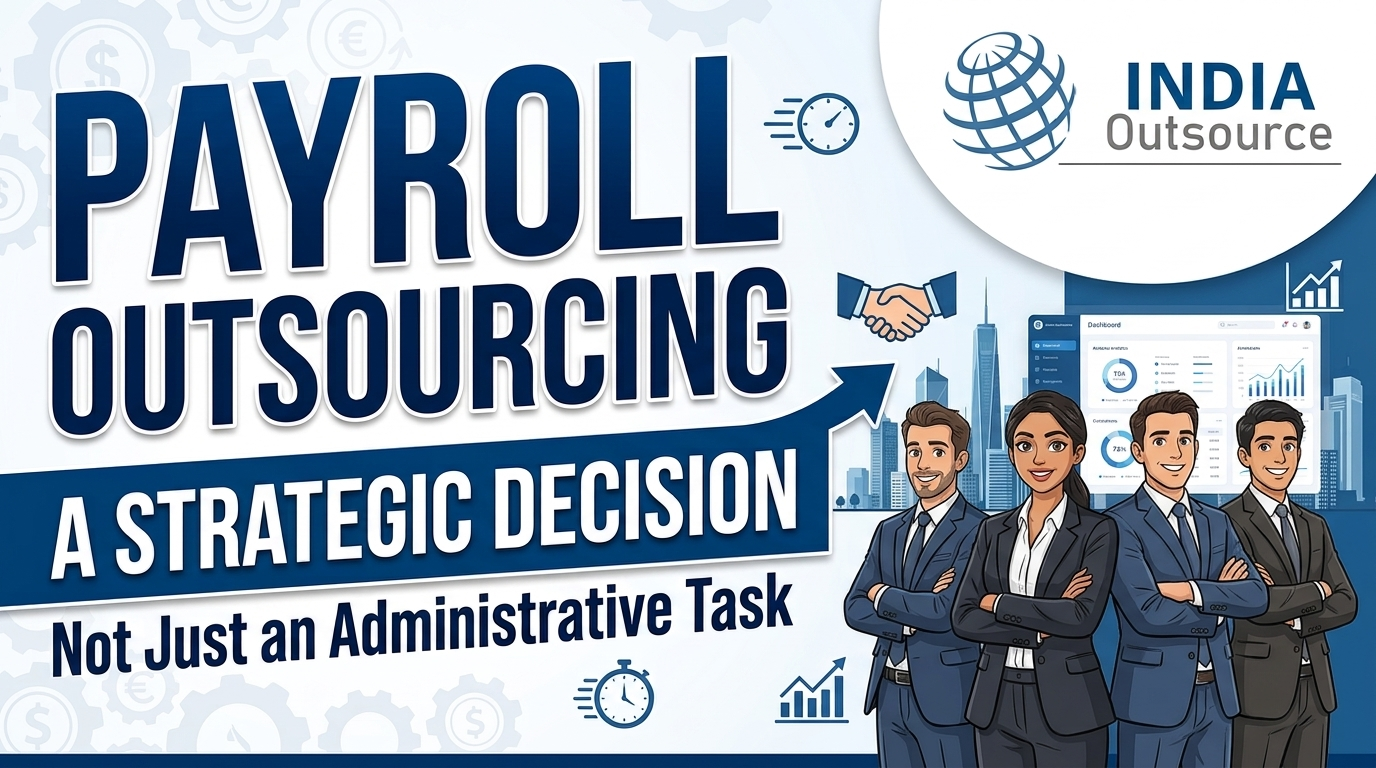
Why Payroll Outsourcing Is a Strategic Business Decision
Payroll is more than simply paying employees.
It impacts employee experience, financial reporting, tax compliance, operational efficiency and business risk.
Payroll can become a challenge quickly as employees grow for companies that have operations in different states.
Outsourcing helps companies shift a significant portion of administrative duties to a third-party expert, all while keeping track of payroll.
What this can lead to is a more organized, scalable and efficient payroll role.
Conclusion
Managing payroll in different states is not just about calculating wages. Companies must ensure they meet different tax requirements, wage laws, reporting responsibilities, employee classifications, and deadlines in order to have accurate payrolls and on time.
Companies that conduct their business in several states can benefit from payroll outsourcing by making the process easier, alleviating administrative burdens, streamlining payroll workflows, and increasing their ability to grow workforce.
No matter whether you are running a business with staff in two states or a staff that is spread right across the country, the ideal outsourcing partner to your company can help you create a more streamlined and scalable payroll operation.
Ready to Simplify Multi-State Payroll?
Contact Us Today
FAQs | Multi-State Payroll Outsourcing
1. What is payroll outsourcing for companies operating across multiple states?
A process of employing a payroll firm outside of their original jurisdiction to process payroll and manage related tasks for employees in various states.
2. Why is multi-state payroll difficult?
States may have varying tax, wage, leave, unemployment, reporting and compliance requirements. There may be other requirements in place set by local jurisdictions.
3. Can payroll providers handle remote employees?
Many payroll providers support remote and distributed workforces. Businesses should confirm the specific states and jurisdictions supported by the provider.
4. Does outsourcing payroll reduce compliance risk?
While outsourcing might be beneficial for managing payroll compliance, it doesn’t take the place of key legal and compliance duties employers have. It is important for companies to know exactly what their provider is responsible for in the service contract.
5. Is payroll outsourcing suitable for small businesses?
Yes. Small companies can gain from outsourcing since they have access to payroll technology and expertise without investing creating a large in-house payroll department.
6. Payroll outsourcing support business expansion?
Yes. To automate wages in a scalable way instead of doing calculations. The tax and wage laws, reporting systems vary from state to state, making it easier for businesses to add new employees in new states and manage an expanding workforce.
7. How do I choose the right payroll outsourcing company?
Look at the different service providers and compare them according to their capabilities in dealing with payroll management across different states, ability in offering tax and compliance support, digital technology, different integration methods, security assurances, customer services, scalability, pricing, and implementation assistance provided.